Choosing the Best General Contractor: Tips for a Successful Home Renovation
Locating the best contractor is critical for a smooth home renovation. Property owners often encounter difficulties in finding competent contractors. Establishing renovation goals is the starting point. Next, they must investigate various options to locate trustworthy contractors. Critical credentials and clear communication serve vital functions in the hiring process. As homeowners set out on this process, grasping key aspects can lead to informed decisions. The next steps may influence the whole renovation journey.
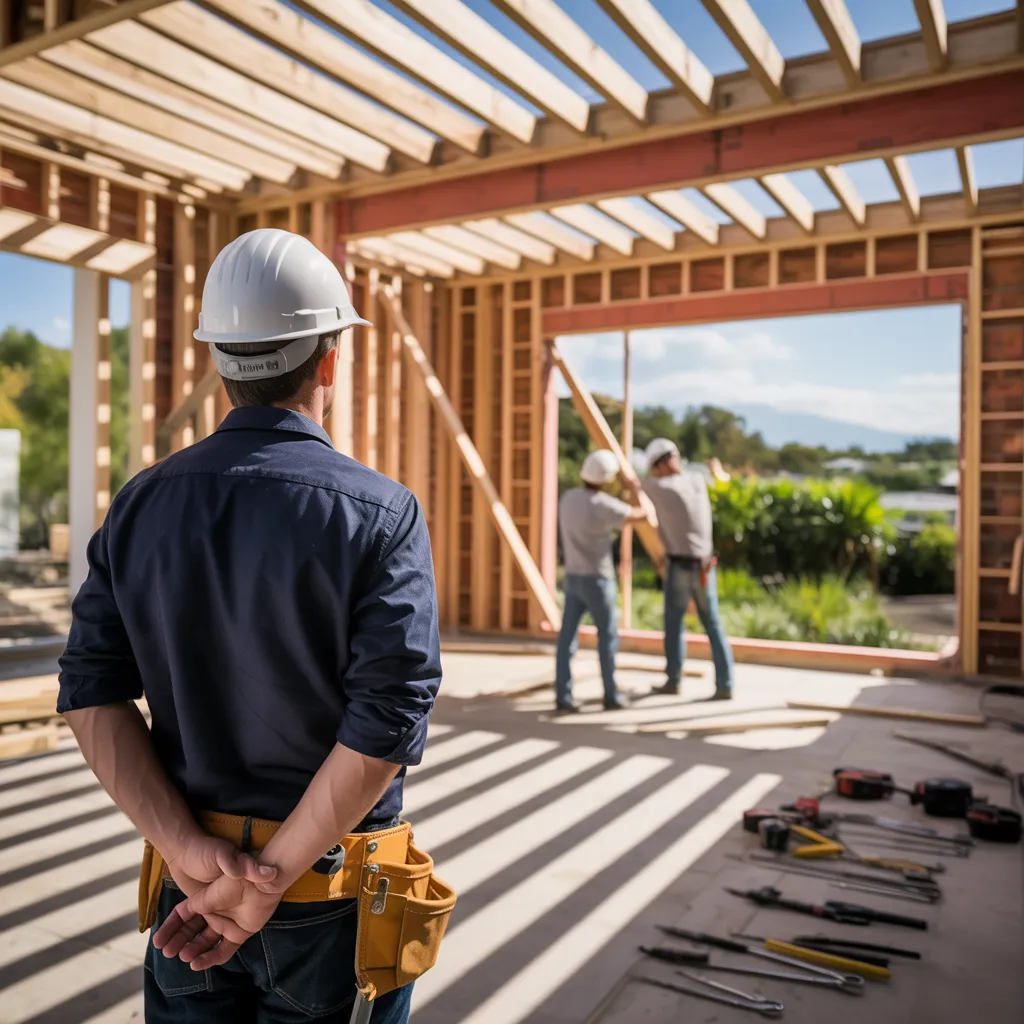
Start by Defining Your Renovation Goals
When embarking on a renovation project, establishing clear objectives is essential for success. It empowers homeowners to communicate their vision effectively, identify and prioritize their needs, and distribute resources efficiently. These goals should address not only visual preferences but also functional requirements, financial limitations, and timelines. By establishing specific objectives, such as increasing living space or boosting overall energy efficiency, homeowners can develop a comprehensive plan that directs the full renovation process.
Additionally, involving every stakeholder from the start of the planning phase guarantees that everyone's expectations are aligned. Such a cooperative method minimizes misunderstandings and encourages a common sense of mission. In the end, precisely outlined renovation targets serve as a roadmap, enabling homeowners to form well-grounded judgments and assess prospective contractors with greater precision. Through creating a reliable framework with clear targets, the likelihood of a successful project improves markedly, culminating in a fulfilling enhancement of the residential space.
Where to Search for Reliable Contractors
When looking for trustworthy contractors, many tend to consult web-based directories and platforms that display reviews and ratings. Furthermore, local recommendations and referrals from family or friends offer useful information about the reliability and work quality of a contractor. Combining these resources can lead to a well-informed selection process.
Web-Based Directories and Platforms
Steering through the vast sea of online directories and platforms can greatly ease the search for dependable general contractors. Platforms like Angie's List, HomeAdvisor, and Thumbtack enable homeowners to explore listings, read reviews, and compare ratings of various contractors. These platforms frequently include verified reviews, providing insights into a contractor's dependability and workmanship. Users can filter searches based on particular requirements, such as job scope and financial parameters. Additionally, many directories offer comprehensive details about each contractor's credentials, including licensing and insurance status. By utilizing these resources, homeowners can optimize their search efforts, connecting with a wider pool of potential candidates while securing knowledgeable selections when selecting a general contractor for their remodeling initiatives.
Neighborhood Recommendations and Referrals
What methods can homeowners use to locate reliable general contractors nearby? A proven approach is to pursue local referrals and recommendations. Friends, family, and neighbors who have undergone recent renovations can provide valuable insights into their experiences with contractors. Furthermore, neighborhood apps, social media groups, and local community boards frequently host conversations and recommendations about trustworthy professionals. It is also worth visiting nearby hardware stores or trade supply centers, as staff members may be able to suggest contractors who are well-acquainted with the local area. Home improvement expos and shows present an excellent opportunity to connect with contractors face to face and collect useful details. Through the use of these community connections, homeowners can significantly improve their likelihood of securing a skilled general contractor for their home improvement endeavors.
Essential Credentials to Verify in a General Contractor
Every reputable general contractor should have various critical credentials that reinforce confidence in their expertise. Most importantly, maintaining a current license is imperative; this guarantees compliance with local regulations and standards. In addition, proof of insurance, including liability and worker's compensation, protects both the contractor and the homeowner from unforeseen incidents during the renovation process.
Additionally, a building contractor should supply client references, demonstrating their portfolio of accomplished projects. Qualifications from respected organizations can also demonstrate specialized knowledge or qualifications in specialized construction sectors.
In addition, it is important to ensure that the contractor you hire has a favorable standing with the Better Business Bureau, showcasing their reputation within the community. By establishing these certifications, homeowners and property owners can substantially lower potential risks associated with hiring a contractor, creating the foundation for a more streamlined and more successful remodeling experience.
Evaluating Contractor Estimates: Key Factors
When reviewing contractor quotes, several key factors merit attention. Comparing project scope details guarantees that every element of the work is addressed, while evaluating material quality estimates can reveal potential long-term costs. Furthermore, a detailed examination of timeline proposals assists in defining practical benchmarks for completing the project.
Review Project Scope Information
What critical elements should one consider when evaluating project scope information in contractor bids? To begin, precision in the scope outline is vital; all contractors ought to deliver a comprehensive list of tasks to be executed. Additionally, timeframes should be thoroughly established, encompassing beginning and end dates along with key milestones. It is equally important to evaluate workforce expenses and the quantity of personnel dedicated to the job, as this impacts overall efficiency. Moreover, one should evaluate how each contractor addresses potential changes or unforeseen issues within the project scope. In closing, being aware of payment structures and requirements can help avoid unexpected costs down the line. By concentrating on these factors, property owners are better equipped to choose the most suitable contractor for their remodeling projects.
Evaluate Material Quality Estimates
Evaluating the quality of material estimates is vital for homeowners aiming to secure the lasting quality and overall appearance of their renovation projects. When examining quotes from contractors, it is important to closely inspect the materials listed. Superior materials may involve a higher upfront cost but can result in considerable savings over time through lasting performance and minimal upkeep. Property owners should inquire about the manufacturers and sources of materials, as well as any warranties offered. Moreover, it's necessary to understand the implications of using inferior materials, which might compromise the overall quality of the home improvement project. By diligently assessing these projections, homeowners can arrive at sound decisions that match their budget and long-term goals.
Analyze Timeline Proposals in Detail
A careful examination of proposed timelines is critical for homeowners who want to grasp the extent and timing of their home renovation projects. Evaluating these timelines helps identify potential bottlenecks and guarantees that the contractor's vision matches the homeowner's goals. Homeowners should carefully assess the recommended beginning and end dates, as well as important benchmarks throughout the project. It is also necessary to factor check article in any allowances for unanticipated disruptions, which can impact the overall timeline. Transparent communication about these aspects can eliminate potential conflicts in the future. Additionally, homeowners should review proposals from various contractors to gauge realism and feasibility. A well-structured timeline not only enhances project management but also cultivates a trusting relationship between both parties, establishing a strong basis for cooperation.
The Importance of Communication With Your General Contractor
Proper communication with a general contractor is vital, as it establishes the groundwork for a successful project. Open dialogue ensures that both parties are aligned on project goals, timelines, and expectations. Frequent updates and open lines of communication can resolve misunderstandings, decreasing the chance of costly errors.
In addition, open communication nurtures a collaborative environment, allowing homeowners to express their preferences and concerns. Such openness can result in creative solutions that correspond with the homeowner's expectations while respecting budgetary limitations.
Establishing a communication plan at the outset, including preferred methods and frequency of updates, can strengthen the collaborative relationship. Each party should feel comfortable navigating any challenges and adjustments that may arise. Ultimately, robust communication not only enables smoother project execution but also establishes trust, which is important for managing the complexities of residential renovations.
Steps to Verify References and Previous Projects
How can homeowners guarantee they choose a reliable general contractor? A key measure is confirming references and evaluating completed projects. Property owners should obtain a list of former clients and dedicate time to getting in touch with them. Conversations should address the contractor's trustworthiness, standard of work, and ability to meet deadlines and financial plans.
In addition, homebuyers can ask for photos or videos of finished work to assess the contractor's skill and artistry. Inspecting current job sites offers additional perspective on the builder's organizational skills and work ethic.
Web-based reviews and ratings on sites like Google and Yelp can also supply useful information. Homeowners should be cautious of contractors with consistently negative feedback or lack of transparency. By comprehensively reviewing past work and references, homeowners can make informed decisions, decreasing the likelihood of employing unqualified contractors and ensuring their renovation goals are met effectively.
Critical Questions to Ask Prior to Signing a Contract
False assumptions can result in expensive errors in home renovations. Prior to signing an agreement with a general contractor, homeowners should ask significant questions to guarantee clarity and alignment. First, inquire about the contractor's experience with similar projects to assess their level of expertise. It is important to have a clear picture of the project schedule and any foreseeable delays. Homeowners should also ask about the payment schedule and what constitutes additional costs.
Defining the scope of work is crucial; homeowners should understand clearly what is covered. Clients should seek out information about third-party workers and their expertise, as this can influence quality. Furthermore, knowing the coverage on work completed can help avoid complications later.
Finally, homeowners should check the service provider's licensing and insurance to guard against liabilities. Such essential inquiries will facilitate sound decisions, ensuring a more streamlined home improvement project.
Questions Our Clients Often Ask
How Long Will a Standard Home Renovation Project Generally Take?
A standard home renovation project can span a few weeks to several months, based on the scope and complexity of the project, along with the availability of materials and contractors, impacting the overall timeline considerably.
What Steps Should I Take if My Contractor Goes Over Budget?
If a contractor exceeds the budget, the homeowner ought to carefully examine the contract, discuss the reasons for the overage, and negotiate solutions. Thorough communication and proper documentation are key to effectively resolving financial discrepancies.
Is It Possible to Stay in My Home While Renovations Are Underway?
Yes, people can live in their home during renovations, but it typically copyrights on the scale of the renovation. Clear communication with the renovation professional and accounting for disturbances are important to reduce disruption and guarantee the safety of all occupants.
What Can I Do if My Contractor Misses Deadlines?
If a contractor fails to meet deadlines, this can lead to project delays, increased costs, and potential disputes. Homeowners should review the contract terms and communicate concerns to seek a resolution or consider alternative actions.
How Can I Resolve Disputes With My Contractor?
To resolve disputes with a contractor, one should keep a record of all communications, review the contract for terms, and maintain open communication. If unresolved, mediation or legal counsel may be necessary to secure a favorable settlement.